
SEARCH WHAT YOU WANT

Walk in temperature humidity test chamber -heating and cooling rate 5°C/min
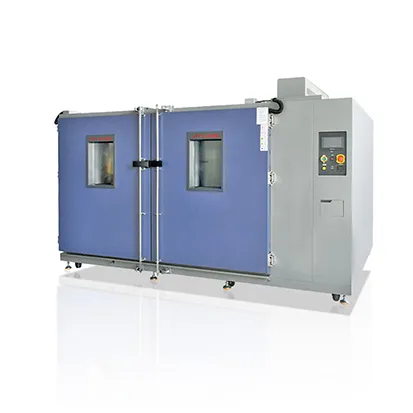
ATMARS , Walk in temperature humidity test chamber, employing a PID algorithm, achieves temperature uniformity of ±1°C, meeting the environmental requirements for precision instrument calibration. It also supports a wide temperature range of -40°C to 80°C, satisfying the constant temperature environment requirements for testing special materials.
5℃/min rate environmental chamber means it can rapidly raise or lower the temperature by 5℃ per minute. This characteristic makes it particularly suitable for testing scenarios requiring rapid temperature changes, such as thermal cycling and thermal shock testing. Its walk-in design also makes it suitable for large test items.
The structural design of the environmental chamber is crucial, directly affecting its performance and stability. The following are the ATMARS main structural components of a 5℃/min rate environmental chamber:
1. Chamber Structure
The outer shell is generally made of cold-rolled steel plate with a high-temperature and corrosion-resistant coating. This design is not only aesthetically pleasing but also effectively prevents environmental factors from affecting the internal components. The interior is typically made of stainless steel, possessing excellent corrosion resistance and high-temperature resistance, ensuring no deformation during prolonged use in various environments.
2. Insulation Layer
A thick insulation layer, typically made of polyurethane foam, separates the interior and exterior of the environmental chamber. Good insulation performance effectively reduces energy loss and prevents external temperatures from affecting the internal temperature, thereby improving the accuracy and stability of temperature control.
3. Temperature Control System
The temperature control system is the core component of the environmental chamber, mainly consisting of the following parts:
Refrigeration System: Utilizes a compressor for refrigeration, typically using environmentally friendly refrigerants to ensure rapid cooling. The refrigeration system includes an evaporator, condenser, and expansion valve, achieving cooling through refrigerant circulation.
Heating System: The environmental chamber is equipped with a heater (such as an electric heating element) to rapidly raise the temperature, ensuring the required testing conditions are met. The heating system is usually linked to the temperature controller, automatically adjusting the heating power.
Temperature Sensor: Typically uses a PT100 or thermocouple sensor to monitor the internal temperature in real time and provide feedback to the control system, ensuring accurate temperature control.
Temperature Controller: Employs a microcomputer control system with a PID control algorithm, enabling rapid and precise temperature adjustment. Users can set the desired temperature curve and rate of change via a touchscreen.
4. Humidity Control System
For environmental chambers requiring humidity control, the humidity control system is equally important, mainly consisting of the following parts:
Humidifier: Uses ultrasonic atomization or electric heating to rapidly increase the humidity inside the chamber, ensuring the set value is reached.
Dehumidifier: Removes moisture from the environmental chamber using condensation to control humidity levels. Cooling coils are typically used for dehumidification.
Humidity Sensor: Monitors the relative humidity inside the environmental chamber in real time and feeds feedback to the control system to ensure humidity stability.
5. Air Circulation System:
The environmental chamber is equipped with fans for air circulation and temperature uniformity. The air circulation system forces airflow to ensure even temperature and humidity distribution within the chamber, reducing the formation of hot or cold spots. This design improves the reliability and repeatability of the test.
6. Safety Protection System:
The safety protection system is an important component of the environmental chamber and mainly includes:
Over-temperature Protection: When the temperature inside the chamber exceeds the set range, the system automatically cuts off the heating or cooling function to prevent equipment damage.
Overload Protection: In case of equipment malfunction, such as excessive current, the protection system immediately cuts off the power supply to ensure the safety of the equipment and personnel.
Alarm System: Equipped with audible alarms and indicator lights, it promptly alerts operators when equipment malfunctions or when temperature and humidity exceed the range.
ATMARS , Walk in temperature humidity test chamber, employing a PID algorithm, achieves temperature uniformity of ±1°C, meeting the environmental requirements for precision instrument calibration. It also supports a wide temperature range of -40°C to 80°C, satisfying the constant temperature environment requirements for testing special materials.
5℃/min rate environmental chamber means it can rapidly raise or lower the temperature by 5℃ per minute. This characteristic makes it particularly suitable for testing scenarios requiring rapid temperature changes, such as thermal cycling and thermal shock testing. Its walk-in design also makes it suitable for large test items.
The structural design of the environmental chamber is crucial, directly affecting its performance and stability. The following are the ATMARS main structural components of a 5℃/min rate environmental chamber:
1. Chamber Structure
The outer shell is generally made of cold-rolled steel plate with a high-temperature and corrosion-resistant coating. This design is not only aesthetically pleasing but also effectively prevents environmental factors from affecting the internal components. The interior is typically made of stainless steel, possessing excellent corrosion resistance and high-temperature resistance, ensuring no deformation during prolonged use in various environments.
2. Insulation Layer
A thick insulation layer, typically made of polyurethane foam, separates the interior and exterior of the environmental chamber. Good insulation performance effectively reduces energy loss and prevents external temperatures from affecting the internal temperature, thereby improving the accuracy and stability of temperature control.
3. Temperature Control System
The temperature control system is the core component of the environmental chamber, mainly consisting of the following parts:
Refrigeration System: Utilizes a compressor for refrigeration, typically using environmentally friendly refrigerants to ensure rapid cooling. The refrigeration system includes an evaporator, condenser, and expansion valve, achieving cooling through refrigerant circulation.
Heating System: The environmental chamber is equipped with a heater (such as an electric heating element) to rapidly raise the temperature, ensuring the required testing conditions are met. The heating system is usually linked to the temperature controller, automatically adjusting the heating power.
Temperature Sensor: Typically uses a PT100 or thermocouple sensor to monitor the internal temperature in real time and provide feedback to the control system, ensuring accurate temperature control.
Temperature Controller: Employs a microcomputer control system with a PID control algorithm, enabling rapid and precise temperature adjustment. Users can set the desired temperature curve and rate of change via a touchscreen.
4. Humidity Control System
For environmental chambers requiring humidity control, the humidity control system is equally important, mainly consisting of the following parts:
Humidifier: Uses ultrasonic atomization or electric heating to rapidly increase the humidity inside the chamber, ensuring the set value is reached.
Dehumidifier: Removes moisture from the environmental chamber using condensation to control humidity levels. Cooling coils are typically used for dehumidification.
Humidity Sensor: Monitors the relative humidity inside the environmental chamber in real time and feeds feedback to the control system to ensure humidity stability.
5. Air Circulation System:
The environmental chamber is equipped with fans for air circulation and temperature uniformity. The air circulation system forces airflow to ensure even temperature and humidity distribution within the chamber, reducing the formation of hot or cold spots. This design improves the reliability and repeatability of the test.
6. Safety Protection System:
The safety protection system is an important component of the environmental chamber and mainly includes:
Over-temperature Protection: When the temperature inside the chamber exceeds the set range, the system automatically cuts off the heating or cooling function to prevent equipment damage.
Overload Protection: In case of equipment malfunction, such as excessive current, the protection system immediately cuts off the power supply to ensure the safety of the equipment and personnel.
Alarm System: Equipped with audible alarms and indicator lights, it promptly alerts operators when equipment malfunctions or when temperature and humidity exceed the range.