HALT: The Key to Ensuring Product Reliability

默认图片

In today’s world, where technology is at the heart of everything—from smartphones to aircraft—reliability is non-negotiable. How can we ensure that products will perform flawlessly, even under extreme conditions? Enter Highly Accelerated Life Testing (HALT), a rigorous and proactive method designed to expose and fix potential flaws in a product before they become a problem.

What is HALT?

HALT is not about predicting a product’s lifespan. Instead, it’s a powerful tool that identifies weaknesses during the development stage by pushing products beyond their normal operating conditions. By applying extreme environmental stresses—like intense heat, cold, and vibration—engineers can uncover design flaws or manufacturing defects, leading to crucial improvements. HALT helps companies build stronger, more reliable products, reduces development time, and lowers life-cycle costs.

Why is HALT Important?

  1. Rapid Problem Detection: HALT stresses products far beyond typical usage, helping engineers quickly find weak points and potential failure modes.

  2. Enhanced Product Quality: The insights gained during HALT lead to better product designs that can withstand harsh conditions, improving overall reliability.

  3. Faster Time to Market: By identifying issues early in development, products can be optimized and released to the market more quickly.

  4. Lower Costs: HALT helps prevent costly product failures and post-launch repairs, reducing long-term costs for both manufacturers and customers.

Where is HALT Used?

HALT is indispensable in industries with high reliability demands, such as aerospace, military, automotive, and high-end electronics. In these fields, products must endure extreme conditions—whether it’s the deep cold of space or the high temperatures inside a vehicle engine. HALT ensures that these products remain functional and safe throughout their lifecycles.

Testing Process: What’s Involved?

The HALT process applies a variety of stress tests to products to identify their breaking points. These include:

  • Low-temperature and high-temperature stress testing: Exposing products to extreme heat and cold.

  • Rapid temperature cycling: Quickly cycling between high and low temperatures to mimic rapid environmental changes.

  • Vibration testing: Using advanced equipment, products are subjected to a variety of vibration stresses to see how they hold up under physical shock.

  • Combined stress tests: The most effective test of all, combining temperature and vibration stress to find defects more quickly.

These tests are done on prototypes or final products nearing completion, before mass production begins, to ensure the design can handle the toughest conditions.

Advanced Equipment Behind HALT

To carry out these tests, HALT requires specialized equipment, including:

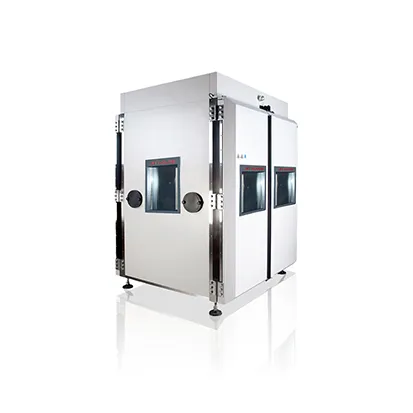
  • Test chambers: These chambers are capable of rapidly changing temperatures, from -100°C to +200°C, and can heat or cool at rates of up to 60°C per minute.

  • Vibration tables: These use six-degree-of-freedom technology to simulate a wide range of real-world vibrations.

  • Sensors and data systems: These monitor and record the temperature, vibrations, and product performance in real-time, ensuring every data point is captured for later analysis.

With these tools, HALT can simulate even the most extreme environments, allowing engineers to identify vulnerabilities and fix them before they reach the customer.

HALT Testing Procedure

HALT follows a structured procedure, including:

  1. Pre-test preparation: The sample is tested at baseline conditions to establish how it should perform.

  2. Stress tests: These are carried out in a sequence, beginning with low temperatures and moving to high temperatures, temperature cycles, and vibration tests. Each test helps uncover different weaknesses.

  3. Failure analysis and feedback: After each test, engineers analyze the results and provide feedback to the design team for improvements.

International Standards and Best Practices

HALT is built on widely recognized standards and best practices. Although there is no single "HALT standard," the methodology aligns with established guidelines like:

  • MIL-STD-810G (U.S. military standard) for environmental testing.

  • SAE J1211 (Society of Automotive Engineers) for reliability testing.

  • IEC 62506 (International Electrotechnical Commission) for accelerated testing techniques.

These standards help ensure that HALT tests are conducted scientifically and that results are accurate and comparable.

Evaluating HALT Results

The results of HALT are not just a simple "pass" or "fail." Instead, engineers focus on key performance limits:

  • Operating limits: The conditions under which the product begins to show signs of malfunction but can recover.

  • Destructive limits: The point at which the product fails permanently.

By comparing these limits to the product’s design specifications, engineers can evaluate the product's design margins and identify areas for improvement.

In Summary: Build Stronger Products with HALT

HALT is more than a test; it’s an essential part of designing reliable, durable products. It provides engineers with the insights they need to improve product robustness, extend lifespan, and ensure customer safety. By testing products under extreme conditions, HALT enables companies to identify potential issues and resolve them before they impact the user, helping bring high-quality, dependable products to market faster.

With HALT, we can make sure that every product is ready to face even the toughest challenges, ensuring that reliability and safety are built in from the very start.


In today’s world, where technology is at the heart of everything—from smartphones to aircraft—reliability is non-negotiable. How can we ensure that products will perform flawlessly, even under extreme conditions? Enter Highly Accelerated Life Testing (HALT), a rigorous and proactive method designed to expose and fix potential flaws in a product before they become a problem.

What is HALT?

HALT is not about predicting a product’s lifespan. Instead, it’s a powerful tool that identifies weaknesses during the development stage by pushing products beyond their normal operating conditions. By applying extreme environmental stresses—like intense heat, cold, and vibration—engineers can uncover design flaws or manufacturing defects, leading to crucial improvements. HALT helps companies build stronger, more reliable products, reduces development time, and lowers life-cycle costs.

Why is HALT Important?

  1. Rapid Problem Detection: HALT stresses products far beyond typical usage, helping engineers quickly find weak points and potential failure modes.

  2. Enhanced Product Quality: The insights gained during HALT lead to better product designs that can withstand harsh conditions, improving overall reliability.

  3. Faster Time to Market: By identifying issues early in development, products can be optimized and released to the market more quickly.

  4. Lower Costs: HALT helps prevent costly product failures and post-launch repairs, reducing long-term costs for both manufacturers and customers.

Where is HALT Used?

HALT is indispensable in industries with high reliability demands, such as aerospace, military, automotive, and high-end electronics. In these fields, products must endure extreme conditions—whether it’s the deep cold of space or the high temperatures inside a vehicle engine. HALT ensures that these products remain functional and safe throughout their lifecycles.

Testing Process: What’s Involved?

The HALT process applies a variety of stress tests to products to identify their breaking points. These include:

  • Low-temperature and high-temperature stress testing: Exposing products to extreme heat and cold.

  • Rapid temperature cycling: Quickly cycling between high and low temperatures to mimic rapid environmental changes.

  • Vibration testing: Using advanced equipment, products are subjected to a variety of vibration stresses to see how they hold up under physical shock.

  • Combined stress tests: The most effective test of all, combining temperature and vibration stress to find defects more quickly.

These tests are done on prototypes or final products nearing completion, before mass production begins, to ensure the design can handle the toughest conditions.

Advanced Equipment Behind HALT

To carry out these tests, HALT requires specialized equipment, including:

  • Test chambers: These chambers are capable of rapidly changing temperatures, from -100°C to +200°C, and can heat or cool at rates of up to 60°C per minute.

  • Vibration tables: These use six-degree-of-freedom technology to simulate a wide range of real-world vibrations.

  • Sensors and data systems: These monitor and record the temperature, vibrations, and product performance in real-time, ensuring every data point is captured for later analysis.

With these tools, HALT can simulate even the most extreme environments, allowing engineers to identify vulnerabilities and fix them before they reach the customer.

HALT Testing Procedure

HALT follows a structured procedure, including:

  1. Pre-test preparation: The sample is tested at baseline conditions to establish how it should perform.

  2. Stress tests: These are carried out in a sequence, beginning with low temperatures and moving to high temperatures, temperature cycles, and vibration tests. Each test helps uncover different weaknesses.

  3. Failure analysis and feedback: After each test, engineers analyze the results and provide feedback to the design team for improvements.

International Standards and Best Practices

HALT is built on widely recognized standards and best practices. Although there is no single "HALT standard," the methodology aligns with established guidelines like:

  • MIL-STD-810G (U.S. military standard) for environmental testing.

  • SAE J1211 (Society of Automotive Engineers) for reliability testing.

  • IEC 62506 (International Electrotechnical Commission) for accelerated testing techniques.

These standards help ensure that HALT tests are conducted scientifically and that results are accurate and comparable.

Evaluating HALT Results

The results of HALT are not just a simple "pass" or "fail." Instead, engineers focus on key performance limits:

  • Operating limits: The conditions under which the product begins to show signs of malfunction but can recover.

  • Destructive limits: The point at which the product fails permanently.

By comparing these limits to the product’s design specifications, engineers can evaluate the product's design margins and identify areas for improvement.

In Summary: Build Stronger Products with HALT

HALT is more than a test; it’s an essential part of designing reliable, durable products. It provides engineers with the insights they need to improve product robustness, extend lifespan, and ensure customer safety. By testing products under extreme conditions, HALT enables companies to identify potential issues and resolve them before they impact the user, helping bring high-quality, dependable products to market faster.

With HALT, we can make sure that every product is ready to face even the toughest challenges, ensuring that reliability and safety are built in from the very start.


Previous:No more data