
SEARCH WHAT YOU WANT

Pressure Cooker Test (PCT) for Reliability Assessment: A Comprehensive Overview
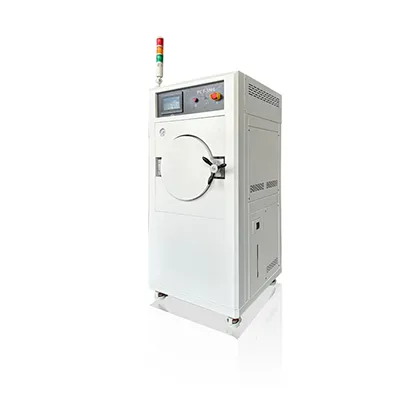
Pressure Cooker Test (PCT) for Reliability Assessment: A Comprehensive Overview
The Pressure Cooker Test (PCT) is an accelerated reliability testing method designed to simulate the effects of high-temperature, high-humidity, and saturated steam pressure conditions on materials. It aims to rapidly induce failure mechanisms such as moisture absorption, corrosion, delamination, and cracking. This test is instrumental in evaluating the long-term durability of products in a controlled, high-stress environment, providing a predictive understanding of potential failure modes under extreme conditions.
Principle of Operation
The working principle of PCT is grounded in the concept of saturated vapor pressure. The test involves heating water within a sealed pressure vessel, generating saturated steam. By controlling the temperature and pressure, the steam penetrates the product rapidly, accelerating material degradation. This allows the evaluation of product lifespan and reliability under conditions of sustained humidity exposure in a significantly reduced time frame.
Test Methodology
-
Preparation of Samples and Equipment:
Before the test, the samples are prepared according to relevant industry standards. They should be of the same specifications and undergo necessary pretreatment to ensure uniformity in initial conditions. The test chamber is verified for cleanliness, and deionized or pure water is used to prevent contaminants from affecting results. -
Parameter Setting and Test Initiation:
The test parameters, including temperature, pressure, and exposure time, are pre-set via the equipment's control system. The chamber is sealed, and the system begins the pressurization and heating process. The equipment’s auto-replenishment function ensures that water levels are maintained throughout the test, preventing any potential interruptions. -
Monitoring and Data Logging:
Continuous real-time monitoring of temperature and pressure is critical to the success of the test. The sensors in the test chamber provide immediate feedback, allowing operators to confirm that the conditions remain within the set parameters. The sample’s condition is also observed for any early signs of degradation, such as surface discoloration or minor structural changes. -
Depressurization and Sample Removal:
Upon completion of the test duration, the equipment initiates the depressurization and cooling cycle. The chamber door can only be safely opened once pressure has been fully released and the internal temperature has returned to safe levels.
Test Conditions
-
Temperature: Typically set between 105°C and 135°C, with common settings at 120°C or 130°C for accelerated results.
-
Humidity: The environment is maintained at 100% relative humidity (saturated steam).
-
Pressure: The pressure range typically spans from 0.0 kg/cm² to 2.8 kg/cm² (absolute pressure of approximately 0.2 MPa), which correlates directly with temperature for optimal steam penetration.
The duration of the test is contingent on the product type and the purpose of the evaluation. For consumer electronics, a typical test duration is between 24 to 48 hours. For industrial-grade or high-reliability products, testing can extend from 72 to 168 hours or more to ensure comprehensive stress exposure.
Sample Preparation and Handling
Sample preparation is a critical factor in obtaining reliable and reproducible results. All samples must adhere to the specified dimensions and shapes as per the relevant standards. Pretreatment, including any required conditioning or handling before placement in the test chamber, ensures consistency across all units. Proper placement within the chamber is crucial to ensure that all surfaces are uniformly exposed to saturated steam, preventing skewed results due to inconsistent environmental exposure.
Parameter Stability and Monitoring
The integrity of the test is directly tied to the stability of the operational parameters. As such, continuous monitoring of the chamber’s temperature and pressure is essential. Real-time data logging ensures that these parameters remain stable throughout the test. The control system must be calibrated to ensure high-precision regulation, preventing any deviations that could compromise the test's accuracy.
Regular visual inspections of the samples should be conducted, with particular attention paid to signs of moisture-related failure such as corrosion, blistering, delamination, or mechanical deformation. Any abnormalities should be logged for further analysis.
Post-Test Evaluation and Analysis
Once the test is completed, a thorough evaluation of the samples is performed. This includes:
-
Visual Inspection: A detailed inspection for defects such as corrosion, discoloration, delamination, cracking, or blistering. These physical defects are primary indicators of the materials’ failure modes under accelerated environmental stress.
-
Functional Testing: Electrical, mechanical, or other specific function tests are performed based on product specifications to assess whether the product meets its operational requirements post-test.
Using the results from these evaluations, engineers should analyze the root cause of failure and identify the weak links in the product’s design or material selection, allowing for targeted improvements in future iterations.
Safety and Operational Considerations
The operation of the PCT chamber requires strict adherence to safety protocols to avoid accidents:
-
Water Quality: Only pure or deionized water must be used to prevent impurities that may affect the test's accuracy.
-
Pressure Safety: It is strictly prohibited to open the chamber door while pressure remains inside. The equipment should feature built-in overpressure safety valves and door interlock mechanisms to prevent accidental access during pressurization.
-
Calibration and Maintenance: Routine calibration of critical components such as pressure sensors, temperature probes, and safety valves is mandatory to ensure operational accuracy and maintain test reliability.
Conclusion
The Pressure Cooker Test (PCT) is an essential method for evaluating product reliability under extreme environmental conditions. By simulating accelerated stress conditions, PCT helps engineers identify potential failure modes in products and materials, facilitating more durable designs. The precise control of testing parameters, along with consistent monitoring and post-test analysis, is crucial for obtaining meaningful results that contribute to the advancement of high-reliability products.
Pressure Cooker Test (PCT) for Reliability Assessment: A Comprehensive Overview
The Pressure Cooker Test (PCT) is an accelerated reliability testing method designed to simulate the effects of high-temperature, high-humidity, and saturated steam pressure conditions on materials. It aims to rapidly induce failure mechanisms such as moisture absorption, corrosion, delamination, and cracking. This test is instrumental in evaluating the long-term durability of products in a controlled, high-stress environment, providing a predictive understanding of potential failure modes under extreme conditions.
Principle of Operation
The working principle of PCT is grounded in the concept of saturated vapor pressure. The test involves heating water within a sealed pressure vessel, generating saturated steam. By controlling the temperature and pressure, the steam penetrates the product rapidly, accelerating material degradation. This allows the evaluation of product lifespan and reliability under conditions of sustained humidity exposure in a significantly reduced time frame.
Test Methodology
-
Preparation of Samples and Equipment:
Before the test, the samples are prepared according to relevant industry standards. They should be of the same specifications and undergo necessary pretreatment to ensure uniformity in initial conditions. The test chamber is verified for cleanliness, and deionized or pure water is used to prevent contaminants from affecting results. -
Parameter Setting and Test Initiation:
The test parameters, including temperature, pressure, and exposure time, are pre-set via the equipment's control system. The chamber is sealed, and the system begins the pressurization and heating process. The equipment’s auto-replenishment function ensures that water levels are maintained throughout the test, preventing any potential interruptions. -
Monitoring and Data Logging:
Continuous real-time monitoring of temperature and pressure is critical to the success of the test. The sensors in the test chamber provide immediate feedback, allowing operators to confirm that the conditions remain within the set parameters. The sample’s condition is also observed for any early signs of degradation, such as surface discoloration or minor structural changes. -
Depressurization and Sample Removal:
Upon completion of the test duration, the equipment initiates the depressurization and cooling cycle. The chamber door can only be safely opened once pressure has been fully released and the internal temperature has returned to safe levels.
Test Conditions
-
Temperature: Typically set between 105°C and 135°C, with common settings at 120°C or 130°C for accelerated results.
-
Humidity: The environment is maintained at 100% relative humidity (saturated steam).
-
Pressure: The pressure range typically spans from 0.0 kg/cm² to 2.8 kg/cm² (absolute pressure of approximately 0.2 MPa), which correlates directly with temperature for optimal steam penetration.
The duration of the test is contingent on the product type and the purpose of the evaluation. For consumer electronics, a typical test duration is between 24 to 48 hours. For industrial-grade or high-reliability products, testing can extend from 72 to 168 hours or more to ensure comprehensive stress exposure.
Sample Preparation and Handling
Sample preparation is a critical factor in obtaining reliable and reproducible results. All samples must adhere to the specified dimensions and shapes as per the relevant standards. Pretreatment, including any required conditioning or handling before placement in the test chamber, ensures consistency across all units. Proper placement within the chamber is crucial to ensure that all surfaces are uniformly exposed to saturated steam, preventing skewed results due to inconsistent environmental exposure.
Parameter Stability and Monitoring
The integrity of the test is directly tied to the stability of the operational parameters. As such, continuous monitoring of the chamber’s temperature and pressure is essential. Real-time data logging ensures that these parameters remain stable throughout the test. The control system must be calibrated to ensure high-precision regulation, preventing any deviations that could compromise the test's accuracy.
Regular visual inspections of the samples should be conducted, with particular attention paid to signs of moisture-related failure such as corrosion, blistering, delamination, or mechanical deformation. Any abnormalities should be logged for further analysis.
Post-Test Evaluation and Analysis
Once the test is completed, a thorough evaluation of the samples is performed. This includes:
-
Visual Inspection: A detailed inspection for defects such as corrosion, discoloration, delamination, cracking, or blistering. These physical defects are primary indicators of the materials’ failure modes under accelerated environmental stress.
-
Functional Testing: Electrical, mechanical, or other specific function tests are performed based on product specifications to assess whether the product meets its operational requirements post-test.
Using the results from these evaluations, engineers should analyze the root cause of failure and identify the weak links in the product’s design or material selection, allowing for targeted improvements in future iterations.
Safety and Operational Considerations
The operation of the PCT chamber requires strict adherence to safety protocols to avoid accidents:
-
Water Quality: Only pure or deionized water must be used to prevent impurities that may affect the test's accuracy.
-
Pressure Safety: It is strictly prohibited to open the chamber door while pressure remains inside. The equipment should feature built-in overpressure safety valves and door interlock mechanisms to prevent accidental access during pressurization.
-
Calibration and Maintenance: Routine calibration of critical components such as pressure sensors, temperature probes, and safety valves is mandatory to ensure operational accuracy and maintain test reliability.
Conclusion
The Pressure Cooker Test (PCT) is an essential method for evaluating product reliability under extreme environmental conditions. By simulating accelerated stress conditions, PCT helps engineers identify potential failure modes in products and materials, facilitating more durable designs. The precise control of testing parameters, along with consistent monitoring and post-test analysis, is crucial for obtaining meaningful results that contribute to the advancement of high-reliability products.
Previous:PCT Aging Test Chamber