
SEARCH WHAT YOU WANT

Optimizing Thermal Uniformity in High-Precision Industrial Ovens: A Technical Perspective
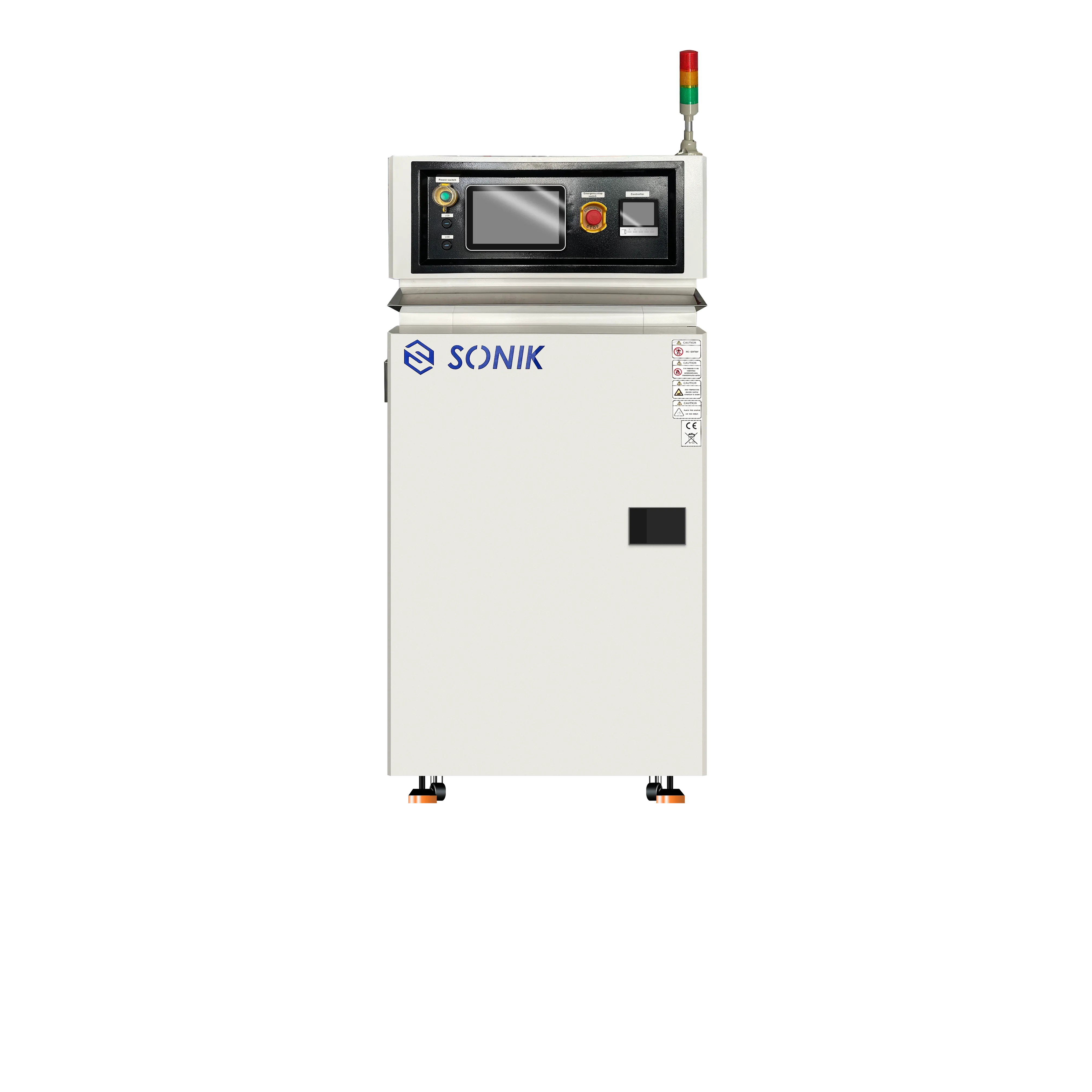
In precision thermal processing—such as semiconductor curing, aerospace composite bonding, and pharmaceutical sterilization—maintaining strict temperature uniformity is critical. This article examines the impact of airflow dynamics and advanced PID control on thermal consistency. By analyzing heat transfer efficiency and mitigation of thermal gradients, we provide an engineering framework for selecting and configuring industrial ovens for high-tolerance applications.
MAIN CONTENT:
-
The Engineering Challenge: Thermal Non-Uniformity In high-precision environments, even a minor temperature gradient can lead to structural defects or chemical inconsistencies in the end product. The primary goal is to ensure that for any given point within the workspace (x, y, z), the temperature T remains within a strict tolerance relative to the setpoint T_set. Common challenges include "cold spots" caused by dense loading and radiant heat loss near door seals. Addressing these requires more than raw heating power; it requires sophisticated airflow management.
-
Airflow Dynamics: Horizontal vs. Vertical Patterns The method of heat distribution is the most significant factor in achieving uniformity. The choice between airflow patterns should be dictated by the geometry of the workload:
-
Horizontal Cross-Flow: Ideal for applications where products are arranged on multiple tiers of solid trays. The air moves across each level, ensuring that the middle of the stack receives the same thermal energy as the edges.
-
Vertical Flow: Preferred for large, hanging parts or porous loads where air can pass through the product from top to bottom.
-
Precision Control and Energy Efficiency Modern industrial ovens must balance rapid ramp rates with zero-overshoot stability. This is achieved through the integration of Proportional-Integral-Derivative (PID) controllers tuned to the specific thermal mass of the chamber. Reducing heat loss (Q_loss) through high-density mineral wool or ceramic fiber insulation not only improves energy efficiency but also prevents external shell temperature rise, ensuring workplace safety and process stability.
-
Technical Selection Criteria When evaluating industrial ovens on a technical basis, engineers should prioritize the following:
-
Air Exchange Rates: High CFM (Cubic Feet per Minute) ratings ensure faster stabilization.
-
Controller Resolution: Digital controllers with at least 0.1 degree resolution for high-sensitivity tasks.
-
Construction Integrity: 304 or 316L stainless steel interiors to prevent oxidation at elevated temperatures and ensure long-term durability.
Conclusion: Achieving optimal thermal processing requires a synergy between mechanical design and electronic control. For the engineering community, focusing on the underlying thermodynamics and airflow efficiency—rather than just peak temperature—is the key to reliable, repeatable production results.
In precision thermal processing—such as semiconductor curing, aerospace composite bonding, and pharmaceutical sterilization—maintaining strict temperature uniformity is critical. This article examines the impact of airflow dynamics and advanced PID control on thermal consistency. By analyzing heat transfer efficiency and mitigation of thermal gradients, we provide an engineering framework for selecting and configuring industrial ovens for high-tolerance applications.
MAIN CONTENT:
-
The Engineering Challenge: Thermal Non-Uniformity In high-precision environments, even a minor temperature gradient can lead to structural defects or chemical inconsistencies in the end product. The primary goal is to ensure that for any given point within the workspace (x, y, z), the temperature T remains within a strict tolerance relative to the setpoint T_set. Common challenges include "cold spots" caused by dense loading and radiant heat loss near door seals. Addressing these requires more than raw heating power; it requires sophisticated airflow management.
-
Airflow Dynamics: Horizontal vs. Vertical Patterns The method of heat distribution is the most significant factor in achieving uniformity. The choice between airflow patterns should be dictated by the geometry of the workload:
-
Horizontal Cross-Flow: Ideal for applications where products are arranged on multiple tiers of solid trays. The air moves across each level, ensuring that the middle of the stack receives the same thermal energy as the edges.
-
Vertical Flow: Preferred for large, hanging parts or porous loads where air can pass through the product from top to bottom.
-
Precision Control and Energy Efficiency Modern industrial ovens must balance rapid ramp rates with zero-overshoot stability. This is achieved through the integration of Proportional-Integral-Derivative (PID) controllers tuned to the specific thermal mass of the chamber. Reducing heat loss (Q_loss) through high-density mineral wool or ceramic fiber insulation not only improves energy efficiency but also prevents external shell temperature rise, ensuring workplace safety and process stability.
-
Technical Selection Criteria When evaluating industrial ovens on a technical basis, engineers should prioritize the following:
-
Air Exchange Rates: High CFM (Cubic Feet per Minute) ratings ensure faster stabilization.
-
Controller Resolution: Digital controllers with at least 0.1 degree resolution for high-sensitivity tasks.
-
Construction Integrity: 304 or 316L stainless steel interiors to prevent oxidation at elevated temperatures and ensure long-term durability.
Conclusion: Achieving optimal thermal processing requires a synergy between mechanical design and electronic control. For the engineering community, focusing on the underlying thermodynamics and airflow efficiency—rather than just peak temperature—is the key to reliable, repeatable production results.