
SEARCH WHAT YOU WANT

Technical Overview of IPX Waterproof Ratings
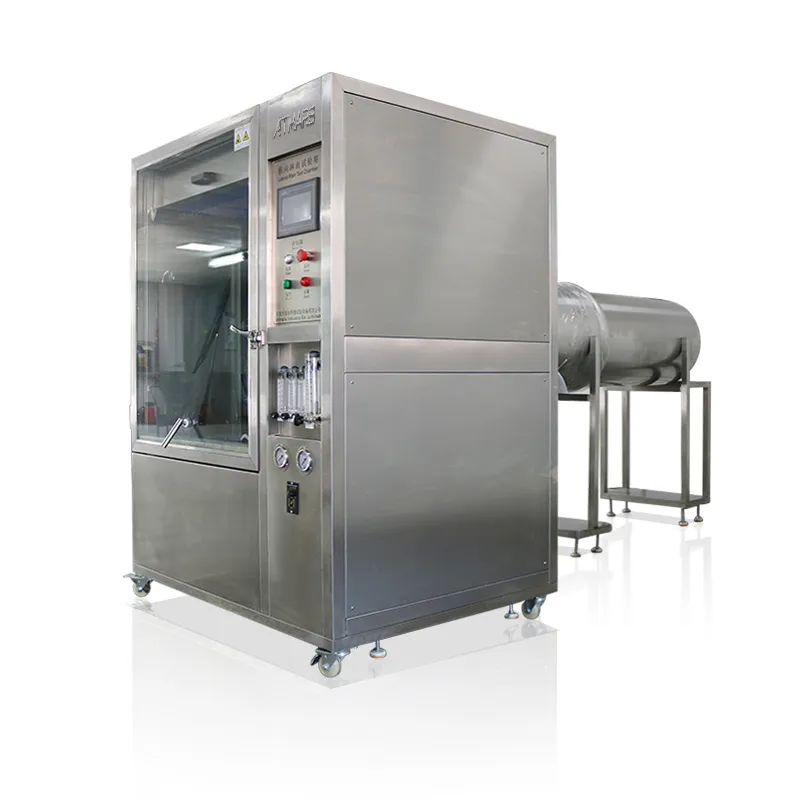
Technical Overview of IPX Waterproof Ratings
The IP (Ingress Protection) code is an international standard used to define the levels of sealing effectiveness of electrical enclosures against intrusion from foreign bodies such as tools, dirt, and moisture. The second characteristic numeral in the IP code (ranging from 0 to 9) specifically indicates the degree of protection against the ingress of water.
It is important to note that higher levels of water protection do not automatically imply compliance with lower levels. For instance, a device rated for high-pressure immersion (IPX7/IPX8) is not necessarily protected against high-pressure water jets (IPX6).
️ IPX1: Protection against Vertically Falling Drops
- Technical Definition: Protection against vertically falling water drops when the enclosure is in its normal operating position.
- Test Method: A drip box is used to simulate condensation or light dripping. Water is dripped vertically onto the top of the sample at a rate of 1.0 ± 0.5 mm/min.
- Duration: 10 minutes.
- Typical Application: Indoor electronics used in controlled environments where minor condensation might occur, such as basic office equipment.
️ IPX2: Protection against Vertically Falling Drops (Tilted 15°)
- Technical Definition: Protection against vertically falling water drops when the enclosure is tilted at any angle up to 15° from its normal operating position.
- Test Method: Similar to IPX1, but the sample is tilted at four different angles (15° from the vertical) to ensure water does not enter through seams or vents when the device is slightly inclined.
- Duration: 2.5 minutes for each of the four positions (Total: 10 minutes).
- Typical Application: Indoor devices that might be handled or tilted during normal use, such as small home appliances.
️ IPX3: Protection against Spraying Water
- Technical Definition: Protection against water falling as a spray at any angle up to 60° from the vertical.
- Test Method: An oscillating tube (swing tube) or spray nozzle directs water onto the sample. The tube oscillates through a 120° arc (60° on either side of vertical). The flow rate is approximately 0.07 L/min per spray hole.
- Duration: 10 minutes (5 minutes per position if the sample is rotated).
- Typical Application: Electronics installed under canopies or eaves where they are protected from direct rainfall but exposed to wind-blown rain, such as certain outdoor sensors or control panels.
️ IPX4: Protection against Splashing Water
- Technical Definition: Protection against water splashing from any direction.
- Test Method: Similar to IPX3, but the oscillating tube moves through a larger arc (nearly 360°) to splash water from all directions. Alternatively, a handheld spray nozzle can be used to spray water from all angles.
- Duration: 10 minutes.
- Typical Application: Outdoor equipment exposed to rain and splashes, such as garden lighting, power tools, and some automotive components.
️ IPX5: Protection against Water Jets
- Technical Definition: Protection against low-pressure water jets projected by a nozzle (6.3 mm diameter) from any direction.
- Test Method: A standard nozzle with a 6.3 mm internal diameter directs a water jet at the sample from a distance of 2.5 to 3 meters. The water flow rate is 12.5 ± 0.625 L/min.
- Duration: At least 3 minutes (calculated as 1 minute per square meter of surface area).
- Typical Application: Equipment that may be subjected to cleaning with a water hose or heavy rain, such as industrial control cabinets, outdoor kiosks, and deck-mounted electronics.
️ IPX6: Protection against Powerful Water Jets
- Technical Definition: Protection against powerful water jets projected by a nozzle (12.5 mm diameter) from any direction.
- Test Method: A larger nozzle with a 12.5 mm internal diameter directs a high-volume water jet at the sample from a distance of 2.5 to 3 meters. The water flow rate is significantly higher at 100 ± 5 L/min.
- Duration: At least 3 minutes (calculated as 1 minute per square meter of surface area).
- Typical Application: Equipment installed on ship decks or vehicles that must withstand heavy seas, high-pressure washing, or extreme weather conditions.
️ IPX7: Protection against Temporary Immersion
- Technical Definition: Protection against the harmful effects of temporary immersion in water.
- Test Method: The sample is completely submerged in water. The lowest point of the sample is at least 1 meter below the water surface, and the highest point is at least 0.15 meters below the surface.
- Duration: 30 minutes.
- Typical Application: Devices that may be accidentally dropped into water, such as smartphones, portable speakers, and handheld GPS units.
️ IPX8: Protection against Continuous Immersion
- Technical Definition: Protection against the harmful effects of continuous immersion in water under conditions specified by the manufacturer.
- Test Method: The sample is submerged in water at a depth and for a duration greater than those specified for IPX7. The exact depth (often exceeding 1.5 meters or 3 meters) and time (often 60 minutes or more) are agreed upon between the manufacturer and the user but must be more severe than IPX7.
- Duration: Continuous immersion (typically > 30 minutes).
- Typical Application: Submersible equipment, underwater cameras, diving watches, and permanently submerged sensors.
️ IPX9 / IPX9K: Protection against High-Pressure, High-Temperature Water Jets
- Technical Definition: Protection against high-pressure, high-temperature spray downs (steam cleaning). Note: IPX9K is often referenced in the automotive standard ISO 20653 and DIN 40050-9.
- Test Method: The sample is subjected to a high-pressure water jet (80–100 bar) at a high temperature (80 ± 5°C). The nozzle is positioned 10–15 cm from the sample, and water is sprayed from four specific angles (0°, 30°, 60°, and 90°).
- Duration: 30 seconds per angle.
- Typical Application: Equipment requiring frequent and rigorous sanitation, such as food processing machinery, pharmaceutical equipment, and automotive components (e.g., sensors and ECUs) that undergo steam cleaning.
Technical Overview of IPX Waterproof Ratings
The IP (Ingress Protection) code is an international standard used to define the levels of sealing effectiveness of electrical enclosures against intrusion from foreign bodies such as tools, dirt, and moisture. The second characteristic numeral in the IP code (ranging from 0 to 9) specifically indicates the degree of protection against the ingress of water.
It is important to note that higher levels of water protection do not automatically imply compliance with lower levels. For instance, a device rated for high-pressure immersion (IPX7/IPX8) is not necessarily protected against high-pressure water jets (IPX6).
️ IPX1: Protection against Vertically Falling Drops
- Technical Definition: Protection against vertically falling water drops when the enclosure is in its normal operating position.
- Test Method: A drip box is used to simulate condensation or light dripping. Water is dripped vertically onto the top of the sample at a rate of 1.0 ± 0.5 mm/min.
- Duration: 10 minutes.
- Typical Application: Indoor electronics used in controlled environments where minor condensation might occur, such as basic office equipment.
️ IPX2: Protection against Vertically Falling Drops (Tilted 15°)
- Technical Definition: Protection against vertically falling water drops when the enclosure is tilted at any angle up to 15° from its normal operating position.
- Test Method: Similar to IPX1, but the sample is tilted at four different angles (15° from the vertical) to ensure water does not enter through seams or vents when the device is slightly inclined.
- Duration: 2.5 minutes for each of the four positions (Total: 10 minutes).
- Typical Application: Indoor devices that might be handled or tilted during normal use, such as small home appliances.
️ IPX3: Protection against Spraying Water
- Technical Definition: Protection against water falling as a spray at any angle up to 60° from the vertical.
- Test Method: An oscillating tube (swing tube) or spray nozzle directs water onto the sample. The tube oscillates through a 120° arc (60° on either side of vertical). The flow rate is approximately 0.07 L/min per spray hole.
- Duration: 10 minutes (5 minutes per position if the sample is rotated).
- Typical Application: Electronics installed under canopies or eaves where they are protected from direct rainfall but exposed to wind-blown rain, such as certain outdoor sensors or control panels.
️ IPX4: Protection against Splashing Water
- Technical Definition: Protection against water splashing from any direction.
- Test Method: Similar to IPX3, but the oscillating tube moves through a larger arc (nearly 360°) to splash water from all directions. Alternatively, a handheld spray nozzle can be used to spray water from all angles.
- Duration: 10 minutes.
- Typical Application: Outdoor equipment exposed to rain and splashes, such as garden lighting, power tools, and some automotive components.
️ IPX5: Protection against Water Jets
- Technical Definition: Protection against low-pressure water jets projected by a nozzle (6.3 mm diameter) from any direction.
- Test Method: A standard nozzle with a 6.3 mm internal diameter directs a water jet at the sample from a distance of 2.5 to 3 meters. The water flow rate is 12.5 ± 0.625 L/min.
- Duration: At least 3 minutes (calculated as 1 minute per square meter of surface area).
- Typical Application: Equipment that may be subjected to cleaning with a water hose or heavy rain, such as industrial control cabinets, outdoor kiosks, and deck-mounted electronics.
️ IPX6: Protection against Powerful Water Jets
- Technical Definition: Protection against powerful water jets projected by a nozzle (12.5 mm diameter) from any direction.
- Test Method: A larger nozzle with a 12.5 mm internal diameter directs a high-volume water jet at the sample from a distance of 2.5 to 3 meters. The water flow rate is significantly higher at 100 ± 5 L/min.
- Duration: At least 3 minutes (calculated as 1 minute per square meter of surface area).
- Typical Application: Equipment installed on ship decks or vehicles that must withstand heavy seas, high-pressure washing, or extreme weather conditions.
️ IPX7: Protection against Temporary Immersion
- Technical Definition: Protection against the harmful effects of temporary immersion in water.
- Test Method: The sample is completely submerged in water. The lowest point of the sample is at least 1 meter below the water surface, and the highest point is at least 0.15 meters below the surface.
- Duration: 30 minutes.
- Typical Application: Devices that may be accidentally dropped into water, such as smartphones, portable speakers, and handheld GPS units.
️ IPX8: Protection against Continuous Immersion
- Technical Definition: Protection against the harmful effects of continuous immersion in water under conditions specified by the manufacturer.
- Test Method: The sample is submerged in water at a depth and for a duration greater than those specified for IPX7. The exact depth (often exceeding 1.5 meters or 3 meters) and time (often 60 minutes or more) are agreed upon between the manufacturer and the user but must be more severe than IPX7.
- Duration: Continuous immersion (typically > 30 minutes).
- Typical Application: Submersible equipment, underwater cameras, diving watches, and permanently submerged sensors.
️ IPX9 / IPX9K: Protection against High-Pressure, High-Temperature Water Jets
- Technical Definition: Protection against high-pressure, high-temperature spray downs (steam cleaning). Note: IPX9K is often referenced in the automotive standard ISO 20653 and DIN 40050-9.
- Test Method: The sample is subjected to a high-pressure water jet (80–100 bar) at a high temperature (80 ± 5°C). The nozzle is positioned 10–15 cm from the sample, and water is sprayed from four specific angles (0°, 30°, 60°, and 90°).
- Duration: 30 seconds per angle.
- Typical Application: Equipment requiring frequent and rigorous sanitation, such as food processing machinery, pharmaceutical equipment, and automotive components (e.g., sensors and ECUs) that undergo steam cleaning.
Previous:No more data