
SEARCH WHAT YOU WANT

Refrigeration System Description & "Cold Balance" Temperature Control Analysis
1. Basic Refrigeration System Components
A typical refrigeration cycle consists of four key components:
-
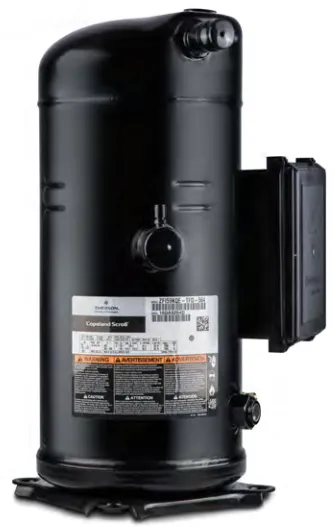
Compressor: Provides the driving force for refrigerant circulation, compressing low-pressure, low-temperature vapor from the evaporator into high-pressure, high-temperature gas.
-
Condenser: Cools the refrigerant via air or water, converting high-temperature gas into liquid at near-ambient temperature while rejecting latent heat.
-
Throttle Device (Expansion Valve): Reduces refrigerant pressure and regulates flow, ensuring appropriate inlet conditions for the evaporator.
-
Evaporator: Allows the refrigerant to evaporate under low pressure, absorbing heat and lowering chamber air temperature to achieve the desired cooling effect on the test specimen.
During the cycle, vapor from the evaporator enters the compressor, where its pressure and temperature rise sharply, completing the refrigeration loop.
2. "Cold Balance" Temperature Control Technology
Traditional high-low temperature chambers typically use “dynamic cold/heat balance”, where high-power refrigeration is matched with high-power heating to maintain setpoints. Limitations include:
-
High thermal power fluctuations due to frequent alternation between heating and cooling;
-
Reduced temperature control accuracy, particularly at low temperatures or during rapid temperature changes.
Cold Balance technology implements a “static balance” mode, i.e., refrigeration without simultaneous heating and heating without simultaneous refrigeration:
-
The controller dynamically adjusts refrigerant flow according to the setpoint and the thermal load of the test specimen, precisely matching the required cooling capacity;
-
No compensatory heating is required to offset over-cooling, nor is over-heating countered by additional refrigeration, minimizing energy waste;
-
Thermal power consumption across the system is more uniform, enhancing temperature stability and reducing control lag;
-
Energy-saving advantages are most pronounced during extended low-temperature operation, reducing operational power consumption.
3. Engineering Applications and Design Considerations
For engineers during system design, selection, and optimization, the following aspects are critical:
-
Refrigerant Flow Control:
-
Use expansion valves with precise flow control, such as electronic expansion valves (EEV);
-
Adjust flow to match chamber load, preventing overcooling under low thermal loads.
-
-
Controller and Control Algorithm:
-
Implement PID or model predictive control (MPC) to dynamically adjust refrigeration power based on real-time load;
-
Integrate cold balance logic to independently control heating and cooling.
-
-
System Sizing and Selection:
-
Compressors and condensers should be sized for peak load and low-temperature operation duration;
-
Evaporator size and heat transfer performance should satisfy requirements for rapid temperature change and uniformity.
-
-
Energy Efficiency Optimization:
-
During extended low-temperature operation, cold balance mode reduces energy waste by eliminating compensatory heating cycles;
-
Uniform thermal load reduces localized temperature gradients and compressor cycling, extending equipment lifespan.
-
Summary:
Cold Balance technology enables independent control of refrigeration and heating through precise refrigerant flow adjustment, achieving uniform temperature distribution and high control accuracy while significantly reducing energy consumption and thermal power fluctuations. From a design and engineering perspective, key considerations include flow regulation capability, control algorithm precision, and load matching, which directly impact system performance, energy efficiency, and equipment longevity.
1. Basic Refrigeration System Components
A typical refrigeration cycle consists of four key components:
-
Compressor: Provides the driving force for refrigerant circulation, compressing low-pressure, low-temperature vapor from the evaporator into high-pressure, high-temperature gas.
-
Condenser: Cools the refrigerant via air or water, converting high-temperature gas into liquid at near-ambient temperature while rejecting latent heat.
-
Throttle Device (Expansion Valve): Reduces refrigerant pressure and regulates flow, ensuring appropriate inlet conditions for the evaporator.
-
Evaporator: Allows the refrigerant to evaporate under low pressure, absorbing heat and lowering chamber air temperature to achieve the desired cooling effect on the test specimen.
During the cycle, vapor from the evaporator enters the compressor, where its pressure and temperature rise sharply, completing the refrigeration loop.
2. "Cold Balance" Temperature Control Technology
Traditional high-low temperature chambers typically use “dynamic cold/heat balance”, where high-power refrigeration is matched with high-power heating to maintain setpoints. Limitations include:
-
High thermal power fluctuations due to frequent alternation between heating and cooling;
-
Reduced temperature control accuracy, particularly at low temperatures or during rapid temperature changes.
Cold Balance technology implements a “static balance” mode, i.e., refrigeration without simultaneous heating and heating without simultaneous refrigeration:
-
The controller dynamically adjusts refrigerant flow according to the setpoint and the thermal load of the test specimen, precisely matching the required cooling capacity;
-
No compensatory heating is required to offset over-cooling, nor is over-heating countered by additional refrigeration, minimizing energy waste;
-
Thermal power consumption across the system is more uniform, enhancing temperature stability and reducing control lag;
-
Energy-saving advantages are most pronounced during extended low-temperature operation, reducing operational power consumption.
3. Engineering Applications and Design Considerations
For engineers during system design, selection, and optimization, the following aspects are critical:
-
Refrigerant Flow Control:
-
Use expansion valves with precise flow control, such as electronic expansion valves (EEV);
-
Adjust flow to match chamber load, preventing overcooling under low thermal loads.
-
-
Controller and Control Algorithm:
-
Implement PID or model predictive control (MPC) to dynamically adjust refrigeration power based on real-time load;
-
Integrate cold balance logic to independently control heating and cooling.
-
-
System Sizing and Selection:
-
Compressors and condensers should be sized for peak load and low-temperature operation duration;
-
Evaporator size and heat transfer performance should satisfy requirements for rapid temperature change and uniformity.
-
-
Energy Efficiency Optimization:
-
During extended low-temperature operation, cold balance mode reduces energy waste by eliminating compensatory heating cycles;
-
Uniform thermal load reduces localized temperature gradients and compressor cycling, extending equipment lifespan.
-
Summary:
Cold Balance technology enables independent control of refrigeration and heating through precise refrigerant flow adjustment, achieving uniform temperature distribution and high control accuracy while significantly reducing energy consumption and thermal power fluctuations. From a design and engineering perspective, key considerations include flow regulation capability, control algorithm precision, and load matching, which directly impact system performance, energy efficiency, and equipment longevity.